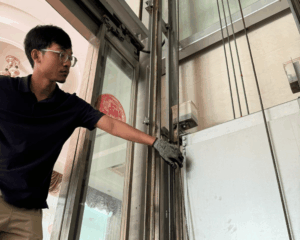
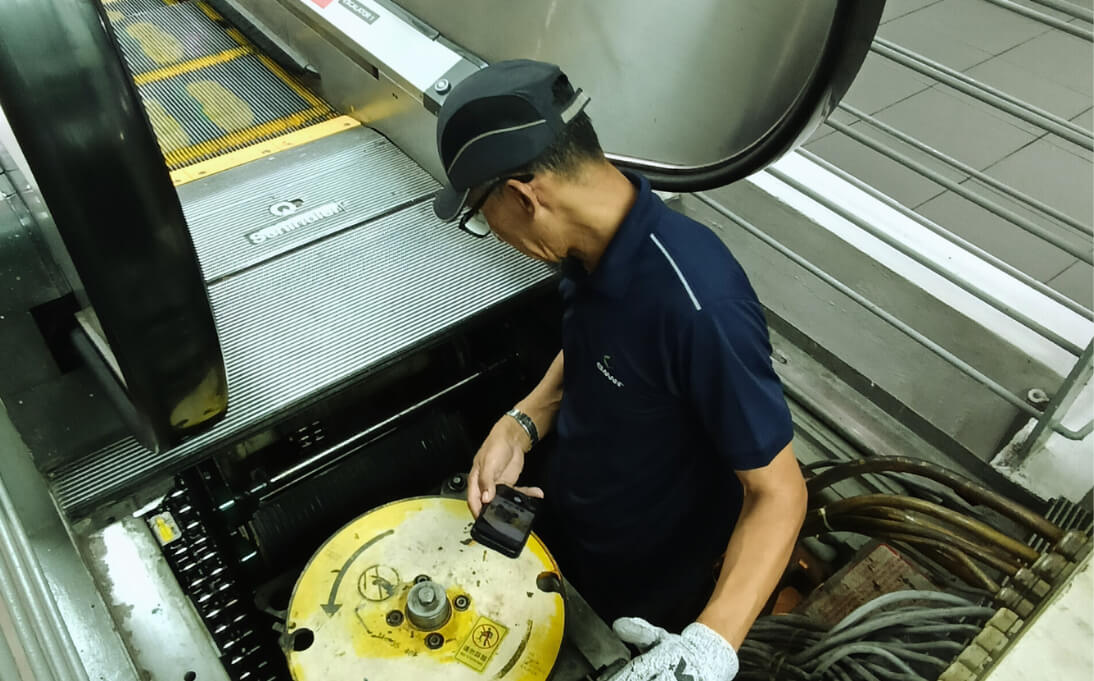
A Permit to Operate (PTO) is official confirmation that a lift or escalator is safe for continued use. It signifies that the system has met the required inspection and compliance standards and is approved to operate within a given period.
What is often misunderstood is that a PTO is not a permanent status. It must be renewed yearly, and renewal depends on the outcome of inspections, the condition of the equipment, and the completeness of supporting records. A valid PTO reflects not only the physical condition of the lift or escalator, but also how well it has been maintained and documented over time.
When a PTO renewal is due, inspectors review more than just the machinery. They look at inspection histories, maintenance logs, rectification records, and whether previously identified issues have been properly addressed. Any unresolved safety concern or incomplete documentation can delay or prevent approval.
This is where preparation matters. Building owners and managing agents who treat the PTO process as a last-minute administrative task often find themselves under pressure. Those who maintain good records, conduct regular checks, and address issues early tend to experience smoother renewals.
From a risk perspective, operating a lift or escalator without a valid PTO exposes owners to legal, financial, and reputational consequences. More importantly, it places users at unnecessary risk. The PTO exists to protect all parties by ensuring that safety is verified, not assumed.
Ultimately, a PTO should be viewed as part of responsible asset stewardship. It signals that safety obligations have been met and that the system has been reviewed with care and accountability.